

Table of Contents
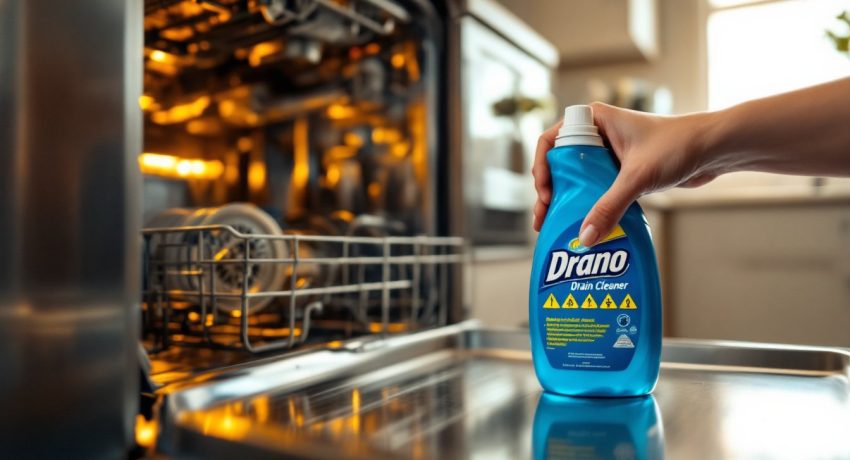
ToggleIf your dishwasher is draining slowly or backing up, you might be tempted to reach for a bottle of Drano sitting under the kitchen sink. After all, it works for clogged drains, right? The short answer: no, you should never use Drano in a dishwasher. This powerful drain cleaner is formulated for pipes, not the delicate spray arms, filters, and interior seals of your dishwasher. Using Drano can cause serious damage, void your warranty, or even create a safety hazard. This guide walks you through why Drano and dishwashers don’t mix, what actually happens if you do, and the safer alternatives that actually work.
Key Takeaways
- Never use Drano in a dishwasher because its caustic chemicals corrode rubber seals, plastic spray arms, and vinyl tubing, causing leaks and equipment damage while voiding your warranty.
- If Drano has entered your dishwasher, drain it by hand with towels, run several hot water cycles to flush residue, and let the machine air out to prevent fume exposure.
- Safe alternatives like vinegar and baking soda, wire snakes, and enzyme-based cleaners effectively clear dishwasher clogs without harming internal components.
- Clean your dishwasher filter weekly and scrape dishes before loading to prevent clogs and maintain proper drainage without chemical treatments.
- Running a monthly cleaning cycle with commercial dishwasher-safe tablets and using rinse aids keep spray jets clear and extend your dishwasher’s lifespan.
Why Drano and Dishwashers Don’t Mix
Drano is engineered for kitchen and bathroom sink drains, rigid pipes that can withstand caustic chemicals. A dishwasher, by contrast, has plastic interior components, rubber seals, and precision spray arms that simply weren’t built to handle drain cleaner’s aggressive chemical composition.
When Drano sits in a dishwasher, it doesn’t stay localized. The liquid pools in the spray arms, corrodes rubber gaskets around the door seal, and can eat through the vinyl tubing that feeds water to the wash jets. Even diluted Drano poses a risk because dishwashers rely on tight seals and careful hydraulic balance to function. A small breach in a seal or a piece of corroded plastic can lead to leaks onto your kitchen floor.
Beyond hardware damage, Drano can interact unpredictably with standing water in your dishwasher. The chemical reaction may produce fumes you don’t want seeping into your home. Most manufacturers, Whirlpool, LG, Bosch, KitchenAid, explicitly warn against using any chemical drain cleaner in their machines, and doing so will void your warranty. A new dishwasher costs $400 to $2,000+: the repair bill isn’t worth the risk.
What Happens When You Put Drano in a Dishwasher
If Drano has already made it into your dishwasher, here’s what you’re likely dealing with:
Immediate damage: The caustic solution begins corroding rubber components, especially the door gasket and inlet valve seals. You may notice a chemical smell inside the machine within minutes.
Spray arm and filter damage: Drano pools in the lower spray arm and around the filter basket. Plastic spray arms can become brittle or partially dissolved, leading to uneven water distribution or complete spray failure on the next wash cycle.
Leak risk: Corroded seals let water escape during operation, often pooling beneath the dishwasher or leaking into adjacent cabinetry. Water damage to wood cabinets is expensive and quick.
Fume concerns: If you run the dishwasher after adding Drano, you’re heating caustic fumes in a closed chamber. While serious poisoning is unlikely in a well-ventilated kitchen, inhaling these fumes can irritate your respiratory system.
Next steps: If Drano is in your dishwasher right now, drain the interior by hand using towels (wear gloves), then run hot water through several empty wash cycles to flush out residue. If you’ve already run a cycle with Drano inside, let the machine air out for several hours with the door open. Watch for leaks during your next wash. If the machine leaks or malfunctions, call a technician, you’ll want documentation that Drano damage occurred if you need warranty service later.
Safe Alternatives for Clearing Dishwasher Clogs
Natural DIY Solutions
Before you buy anything, try these no-risk methods:
Vinegar and baking soda: Pour one cup of white vinegar into the bottom of an empty dishwasher and run a hot wash cycle. For stubborn clogs, sprinkle ½ cup of baking soda on the floor first, add the vinegar, wait 15–20 minutes, then run the cycle. The fizzing action helps dislodge debris from the drain line without harming seals or sprayers. This approach works best for organic buildup like food particles and grease.
Wire snake or straightened coat hanger: Remove the lower spray arm and filter basket (check your manual, most designs have clips or bolts). Use a straightened wire coat hanger or a cheap plastic drain snake (available at any hardware store for $5–$10) to fish out hair, food, or mineral deposits clogging the drain outlet. This is often the fastest fix and requires zero chemicals.
Plunger method: If the clog is in the drain line below the dishwasher, try a cup plunger on the drain port (not your standard sink plunger). This can dislodge blockages in the main drain line without damaging internal parts.
Commercial Dishwasher-Safe Cleaners
If natural methods don’t work, commercial products designed for dishwashers are safe options:
Dishwasher cleaning tablets: Brands like Finish and Cascade make dishwasher cleaner tablets that dissolve during a regular wash cycle. These target mineral buildup and residue without harsh caustics. Run an empty cycle with one tablet monthly to maintain the spray arms and filters.
Enzyme-based drain treatments: Some products use beneficial bacteria or enzymes rather than caustic chemicals. They’re gentler on seals and safe to use repeatedly. Results are slower (24–48 hours) but they won’t corrode your machine.
According to resources like The Spruce, regular maintenance with these gentler products prevents most clogs. A blocked dishwasher drain is often caused by food particles trapped in the filter or standing water in the sump, both fixable without chemicals.
How to Prevent Dishwasher Drainage Problems
An ounce of prevention beats a costly repair. Here’s how to keep your dishwasher drain-clear:
Scrape dishes before loading: Don’t rinse every dish obsessively, but do remove large food particles. A handful of rice or small bones caught in the filter basket can impede water flow over time.
Clean the filter basket weekly: Most dishwashers have a removable cylindrical or cartridge filter at the bottom. Rinse it under hot water and wipe away trapped debris. A clean filter is often all you need to restore normal drainage.
Check the drain hose: The hose connecting your dishwasher to the drain line can kink, especially if the machine was recently moved or cabinets shifted. Inspect it annually for cracks, pinches, or mineral deposits. A kinked hose blocks water flow just as much as a clogged drain.
Run hot water before a cycle: Turn on your kitchen sink’s hot water for 20–30 seconds before starting the dishwasher. This primes the drain line with warm water, which helps dissolve grease and prevents mineral buildup.
Use a rinse aid: Rinse aids like Jet-Dry reduce mineral spotting and improve water flow through the spray arms. They’re inexpensive and useful, especially in hard water areas. According to Family Handyman, this simple step extends dishwasher life and drainage performance.
Run a cleaning cycle monthly: Even if clogs aren’t visible, run your dishwasher empty with a commercial cleaner tablet once a month. This keeps spray jets clear and maintains seal flexibility.
Conclusion
Drano and dishwashers are a dangerous pairing. The chemicals corrode seals, damage spray arms, and create leak and fume risks, all for a method that won’t even fix the clog effectively. Stick to wire snakes, vinegar and baking soda, or purpose-designed dishwasher cleaners. Regular filter cleaning and maintenance prevent most drainage issues before they start. If your dishwasher continues to drain slowly after cleaning the filter and trying natural solutions, consult a technician. A professional diagnosis costs far less than replacing a machine damaged by chemical misuse.