
Table of Contents
ToggleAging in place, staying in your own home throughout retirement, is a priority for most seniors. But, many homes aren’t designed with the physical needs of older adults in mind. Stairs become hazards, bathtubs turn into slipping risks, and cabinets sit at awkward heights. The good news: home remodeling for seniors doesn’t mean tearing everything down. Smart, strategic upgrades transform a house into a safe, comfortable, and functional space that supports independence for years to come. This guide covers the essential modifications every senior should consider, from bathroom safety to kitchen accessibility, all while keeping style and dignity intact.
Key Takeaways
- Home remodeling for seniors focuses on removing hazards like slippery floors and high steps while maintaining style and dignity, rather than creating an institutional appearance.
- Bathroom safety upgrades—including properly installed grab bars, non-slip flooring, and bright LED lighting—prevent the majority of home accidents and should be prioritized first.
- Kitchen modifications such as lowered countertops (32–34 inches), pull-out shelves, and large easy-grip handles enable seniors to cook independently and maintain quality of life.
- Entryways and walkways require ramps with 1:12 slopes, adequate lighting, and clear 36–42 inch-wide paths to eliminate falls and strain before entering the home.
- Strategic home remodeling for seniors doesn’t require a large budget—starting with grab bars, hardware replacement, and under-cabinet lighting delivers immediate safety gains at a fraction of the cost.
- Smart accessibility upgrades benefit everyone in the household, add resale value, and allow seniors to age in place with confidence and independence for years to come.
Why Remodeling Matters for Aging in Place
Most older adults prefer to retire at home rather than move to assisted living or nursing facilities. Yet research shows that poorly designed living spaces contribute significantly to falls, injuries, and loss of independence, the very things seniors want to avoid. A simple modification like adding grab bars or lowering countertops addresses real, daily struggles.
Remodeling for aging in place isn’t about making a home look institutional or “medical.” Done right, it’s about removing friction from everyday tasks. Better lighting makes reading easier and safer. Wider doorways accommodate walkers without feeling cramped. Non-slip flooring prevents accidents while looking normal. These changes benefit everyone in the household, not just seniors, and they add resale value.
<a href="https://thehotelalhambra.com/home-for-retirement-tips/”>Home for retirement tips outline how to assess your space and prioritize changes based on your specific mobility, vision, and strength levels. Starting with high-impact upgrades means you spend money where it matters most: preventing falls, reducing strain, and maintaining dignity. The investment pays dividends in confidence, safety, and the ability to live independently longer.
Essential Accessibility Upgrades Every Senior Should Consider
Bathrooms: Safety and Comfort First
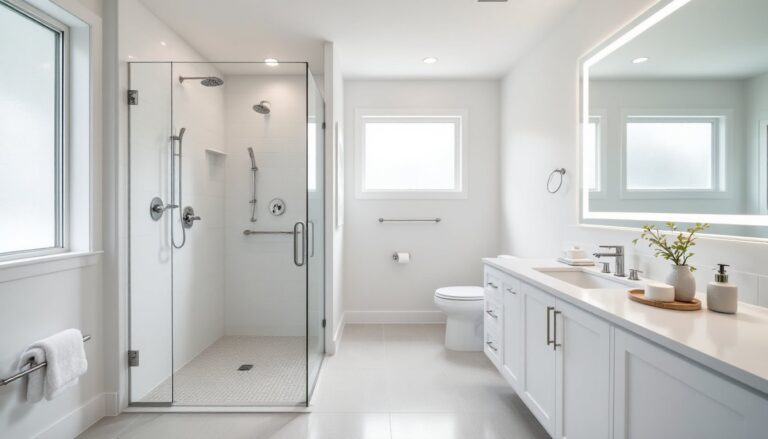
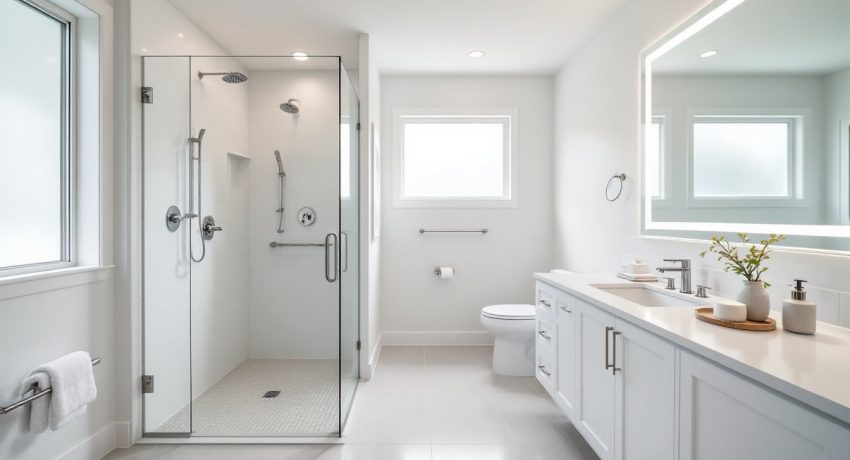
Bathrooms are where most home accidents happen. Wet floors, high steps into tubs, and grab bars that aren’t there create a perfect storm. The good news: bathroom safety upgrades are among the most impactful you can make.
Grab bars are non-negotiable. Install them at 48 inches and 36 inches from the floor near the toilet and tub (check local building codes, which vary by jurisdiction). Avoid towel bars, they aren’t load-rated. Use 1.25-inch-diameter bars anchored to wall studs with lag bolts: a single person should be able to pull hard without the bar moving.
Walk-in tubs or roll-in showers eliminate the step-over hazard that traditional tubs create. If replacing a tub isn’t in the budget, a shower seat, non-slip mat, and a handheld showerhead go a long way. The handheld showerhead lets you control the spray angle and reach without contorting your body.
Flooring matters more than most people think. Glazed tile looks clean but becomes dangerously slippery when wet. Matte porcelain or textured tile (with a slip resistance rating of R10 or higher) provides grip without looking industrial. Non-slip tape on existing floors is temporary but effective in a pinch.
Lighting should be bright and non-glare. Install LED fixtures (they don’t get hot and last years), and consider a low-voltage nightlight near the toilet for safe nighttime use. Aging eyes need roughly three times more light than younger ones.
Vanity height is often overlooked. Standard vanities sit at 30–32 inches: many seniors prefer 34–36 inches to avoid bending. If you’re upgrading, a higher vanity or a wall-mounted sink with knee clearance underneath (making it wheelchair-accessible if needed later) is worth the change. Home for Retirement Ideas explores how small layout adjustments create surprising comfort gains.
Entryways and Walkways
If someone can’t safely enter the home, nothing else matters. Entryways and walkways are the first line of defense against falls and strain.
Ramps replace steps. A 1:12 slope (1 inch of rise for every 12 inches of run) is the standard for wheelchair accessibility, but even seniors without mobility devices appreciate the ease. A 3-inch step typically requires a 3-foot ramp. If a full ramp isn’t feasible, a single-step platform and grab bar are minimal. Ramps should have a non-slip surface and be at least 36 inches wide.
Lighting at entries is essential, dark entrances invite falls. Motion-sensor lights, solar path lights, and porch fixtures with warm LED bulbs (3000K color temperature) create safe, inviting approaches without harsh glare.
Thresholds and transitions between rooms should be minimal. A half-inch difference is acceptable, but anything higher creates a tripping hazard. If you have older hardwood flooring transitioning to tile, use a sloped transition strip rather than a sharp edge.
Hallways and walkways need to be clear and wide. Aim for at least 36–42 inches of unobstructed width. Remove throw rugs (they shift underfoot) or use double-sided tape to secure them. Ensure paths to the bedroom, bathroom, and kitchen are the most directly lit and accessible, these are the routes used daily, often at night.
Kitchen Modifications for Ease of Use
The kitchen is the heart of independence. If a senior can safely cook, eat, and manage their own meals, quality of life improves dramatically. But, standard kitchen layouts ignore the realities of reduced mobility, grip strength, and reach.
Countertop height should accommodate seated work. Ovens and cooktops at standard height (36 inches) force bending and lifting. Consider a lowered prep counter at 32–34 inches or a slide-in cooktop with oven below for easier access. If a full remodel isn’t possible, a small rolling cart at the right height provides a safe prep surface.
Cabinets and storage should be within the 24–48-inch range, eye level to waist height. Avoid overhead cabinets that require reaching or standing on a stool. Pull-out shelves (sometimes called roll-out trays) in lower cabinets eliminate the need to crouch and reach into the back. Lazy Susans in corner cabinets make hard-to-reach items accessible without straining.
Handles and knobs matter more than people realize. Large, easy-grip handles (at least 1.5 inches long) are easier to manipulate than small knobs, especially for those with arthritis. D-shaped handles or loop handles require less dexterity than round knobs. Install handles at consistent heights so users don’t have to search.
Lighting in kitchens should be task-specific. Under-cabinet lighting prevents shadowy work areas that invite cutting injuries. Pendant lights over the island or sink provide focused, glare-free illumination. Dimmer switches let you adjust brightness for comfort without causing eye strain.
Appliances deserve attention. Smooth cooktops (instead of coil burners) are easier to clean and less prone to catching sleeve cuffs. Front-load refrigerators and side-by-side models are easier on the back than top-load freezers. A microwave drawer at waist height beats a standard over-the-range unit that requires reaching.
Flooring should be non-slip and easy to maintain. Matte tile, luxury vinyl planks (LVP), or polished concrete all work. Avoid slippery high-gloss finishes. If you’re installing new flooring, ensure it’s at the same level as adjacent rooms to eliminate trip hazards. Home for Retirement Techniques goes deeper into how layout and flow drive comfort throughout the home.
Planning a full kitchen remodel? Get cost estimates from services like HomeAdvisor, which can match you with contractors and provide project cost guides. Angi offers reviews and pricing on kitchen remodeling to help you budget realistically. ImproveNet provides additional renovation guides and contractor resources for planning major upgrades.
Smaller budgets? Start with the easiest wins: add grab bars, replace cabinet hardware, install under-cabinet lighting, and fix uneven thresholds. These changes cost hundreds, not thousands, and deliver immediate safety gains.
Conclusion
Home remodeling for seniors is an investment in independence and safety, not a concession to age. Whether you’re addressing immediate hazards like slippery bathrooms or planning comprehensive accessibility upgrades, the goal is the same: make your home work for you, not against you. Start with bathrooms and entryways, then tackle the kitchen. Spread the work over time if budget is tight. The payoff, staying in your own home, doing your own cooking, and living with dignity, is worth every dollar spent.