

Table of Contents
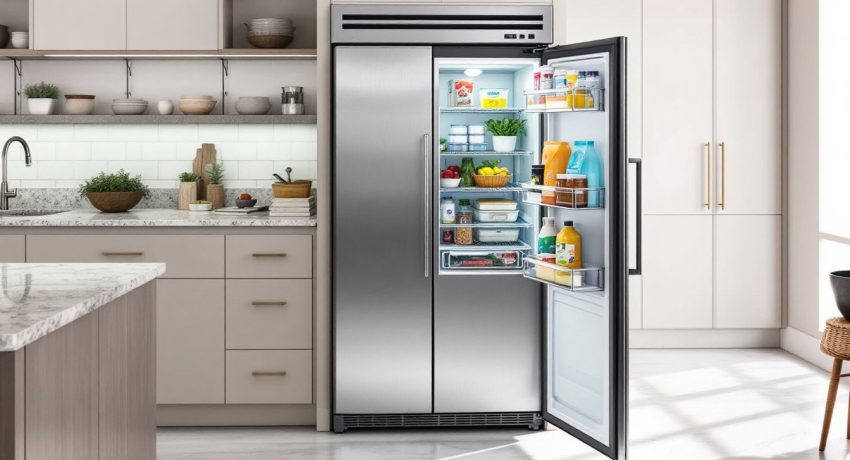
ToggleYou’ve watched restaurant-grade equipment work flawlessly in commercial kitchens and wondered: could one of those tough, capacious commercial refrigerators work in your home? The answer is often yes, and for some homeowners, it makes real sense. A commercial refrigerator for home use isn’t just about bragging rights: it’s about durability, storage capacity, and performance under heavy-duty conditions. Whether you’re feeding a large family, meal-prepping in bulk, or simply tired of kitchen appliances that quit after five years, this guide walks you through what makes commercial units different, which models actually fit residential spaces, and how to integrate one into your home without a professional kitchen contractor on speed dial.
Key Takeaways
- A commercial refrigerator for home offers superior durability and performance compared to standard residential models, often lasting 15–20 years with minimal maintenance versus 8–12 years for traditional fridges.
- Choose compact reach-in models (27–32 inches wide) with top-mounted compressors and adjustable epoxy-coated shelves that fit residential kitchens without requiring professional contractor expertise.
- Installation requires proper electrical planning, adequate ventilation clearance (6 inches on sides, 4 inches above, 6–12 inches in back), and professional movers due to the unit’s 300–500-pound weight.
- Operating costs are roughly twice that of a standard home refrigerator, using 2–3 kWh daily, so a commercial refrigerator makes financial sense only if you plan to keep it 10+ years and use it heavily.
- Monthly maintenance—wiping exteriors, vacuuming condenser coils, and checking door seals—keeps commercial units reliable and prevents compressor strain that shortens lifespan.
- Trusted brands like True and Turbo Air offer residential-friendly dimensions with solid 6-year warranties and nationwide service networks, making them safer choices than unfamiliar online sellers or unlicensed refurbished units.
Why Choose A Commercial Refrigerator For Your Home
Commercial refrigerators are built for restaurants, caterers, and food-service operations where reliability and throughput matter. That same engineering translates well to homes with specific needs. A residential fridge typically cycles on and off to maintain temperature: constant opening and closing, or storing large platters and bulk ingredients, stresses the compressor. Commercial units are designed for that. They cool faster, maintain temperature more precisely, and their stainless-steel interiors and sealed seams withstand rigorous daily use without rusting or degrading.
Durability is the headline win. A standard home refrigerator lasts eight to twelve years before major repairs become costly: commercial models often run fifteen to twenty years with minimal maintenance. That translates to fewer replacements and less e-waste. Beyond longevity, commercial fridges offer honest storage: no fancy produce drawers with gimmicky humidity controls that break, just shelves and space you actually use. They also run quieter than old perceptions suggest, especially modern units with improved compressor isolation.
That said, they’re not for everyone. Commercial fridges run colder (typically 34–38°F instead of 40°F), use more electricity, and require adequate ventilation space. They’re heavier, more expensive upfront, and may need dedicated circuits or professional installation. Honestly assess your needs before committing.
Top Commercial Refrigerators For Home Use
Key Features To Look For
Not all commercial fridges suit a home kitchen. Look for reach-in models (typically 27–32 inches wide) rather than walk-ins, they fit standard countertops and don’t dominate the room. Stainless-steel exteriors resist fingerprints and integrate well with modern cabinetry. Choose models with adjustable shelving and epoxy-coated wire shelves (stronger and easier to clean than solid shelves). Verify the refrigerant type: R134a is standard and serviceable: older R12 units are being phased out and harder to maintain.
Compressor location matters for noise and heat dissipation. Top-mounted compressors are quieter and take up less floor space: bottom-mounted units are more compact but run hotter. For residential integration, a top-mount reach-in with a 36–48 inch height balances storage and fit. Check the door swing, a right-hinged door may work better in your layout than left-hinged, and some models offer reversible doors.
Temperature control should be mechanical (a simple dial) or digital with a display you can read at a glance. Avoid overly complex controls that might fail and require a service call. Drain location is a detail most people miss: bottom-front drains are easier to clean than rear drains tucked against the wall. Finally, verify the shelf load rating (typically 75–100 pounds per shelf) to ensure it handles bulk storage without sagging.
Brands like True, Turbo Air, and Atosa dominate the commercial space and have good parts availability. Premium built-in options from Miele and Dacor blur the line between residential luxury and commercial durability, though they cost significantly more. For authentic commercial units with residential-friendly dimensions, True and Turbo Air offer solid 6-year warranties and nationwide service networks.
How To Install A Commercial Refrigerator At Home
Installation isn’t a weekend DIY task in most cases, but understanding the requirements helps you plan and avoid costly mistakes. First, measure your space carefully: width, depth, height (including the top clearance for ventilation, most units need 2–4 inches of air space above), and the door swing radius. Check that your doorways allow the unit through: some kitchens require disassembling hinged doors or removing cabinet sections.
Electrical is critical. Commercial fridges draw 15–20 amps on a dedicated 120V circuit. Older homes with shared kitchen circuits may need a licensed electrician to run a new 12-gauge wire circuit breaker. Many units ship with a standard plug, but installing a hard-wired setup (more stable and safer) requires a licensed electrician per local code. Don’t skip this, improper wiring creates fire and shock hazards.
Ventilation prevents compressor overheating and reduces noise transmission to living spaces. Ensure adequate air clearance: typically 6 inches on sides, 4 inches above, and 6–12 inches in back. Poor ventilation shortens compressor life and drives utility costs up. If your space is tight, discuss ducting or louvered rear panels with your electrician or appliance installer. Leveling the unit (a few bubbles in each direction on a spirit level) ensures proper door closure and prevents water pooling inside.
Delivery and placement usually require professional movers: commercial fridges weigh 300–500 pounds. Hire installers or equipment movers familiar with appliances, not general furniture movers. They’ll protect floors and walls and place the unit correctly. Once in place, run the fridge empty (doors open, nothing inside) for 4–6 hours before plugging it in to allow refrigerant to settle.
Maintenance Tips For Long-Lasting Performance
Commercial fridges are tough but need regular attention to stay reliable. Monthly tasks are simple: wipe down the exterior with a damp cloth and mild soap, and vacuum the condenser coils on the back or bottom with a soft brush. Dirty coils reduce cooling efficiency and force the compressor to work harder, shortening its life. Every quarter, check the door seals for gaps or hardening: replace gaskets (rubber seals around the door frame) when they stop compressing fully, they’re affordable and relatively easy to swap.
Drain the condensation pan every few weeks, especially in humid climates or if the unit runs frequently. It’s usually accessible from below or the rear and catches mineral deposits and algae buildup that causes odors and clogs the drain line. Most models have a simple push-in or screw-mounted pan: consult your manual for exact steps. If the drain line backs up, pour a mix of water and baking soda through it to clear blockages, avoid caustic drain cleaners that corrode stainless steel.
Annual maintenance includes a professional inspection (every 2–3 years minimum). A service tech checks refrigerant levels, tests electrical connections, and confirms compressor performance. This costs $150–300 but catches issues before they become expensive repairs. Keep the fridge on a stable, level surface: vibration from an unlevel unit damages internal components. Finally, if the temperature drifts or cooling slows, don’t ignore it, call a technician rather than tinkering. Most repairs are simple, but electrical and refrigerant work require licensing in most states.
Cost Considerations And Budget Planning
A quality commercial reach-in refrigerator costs $2,500–$6,000 before installation. Budget-friendly models from brands like Atosa or a used unit from restaurant supply liquidators may run $1,500–$3,000, but inspect used units carefully, compressor hours and maintenance history matter. Premium built-in options push $8,000–$15,000. These figures don’t include electrical work ($500–$2,000 if a new circuit is needed) or professional installation ($300–$800).
Operating costs are real. A commercial fridge uses roughly 2–3 kWh per day depending on size, ambient temperature, and usage patterns, higher than a standard home fridge. At $0.12–$0.15 per kWh (US average: yours may vary), expect $75–$165 per year in electricity, or roughly twice what a residential model consumes. Over ten years, that’s $750–$1,650 in added utility costs. Weigh that against fewer repairs and no replacement cycles, and it often pencils out, but it’s not invisible.
Warranty length varies: most commercial manufacturers offer 1–2 years on parts and labor: some extend to 5–6 years for registered buyers. Used units rarely come with warranty, so factor in potential repairs ($200–$600 for compressor or control board issues). Maintenance contracts (typically $300–$600 annually) offer peace of mind if you want scheduled service. Financially, a commercial fridge makes sense if you’ll keep it ten-plus years, run it hard, and value reliability. For homeowners replacing a fridge every eight to ten years anyway, the durability pays off: for light users, a good residential model is more cost-effective.
Conclusion
A commercial refrigerator for home isn’t a luxury, it’s a practical investment for specific lifestyles. If you bulk-cook, host frequently, or simply need an appliance that won’t fail mid-dinner-party, the durability, performance, and honest storage space justify the upfront cost and higher electricity draw. Measure your space carefully, confirm electrical capacity with a licensed pro, and commit to basic quarterly maintenance. Start your search with reliable suppliers like restaurant equipment distributors or retailers specializing in commercial appliances: avoid unknown online sellers or refurbished units without clear service history. Done right, a commercial fridge becomes a quiet, reliable workhorse for the next fifteen years.