
Table of Contents
ToggleChoosing a home for retirement ranks among the biggest decisions people make in their lifetime. The right choice affects daily comfort, financial security, and overall happiness for decades. Many retirees underestimate how much this decision shapes their quality of life.
This guide breaks down everything needed to find the ideal home for retirement. It covers essential factors like location, housing types, and budget planning. Whether someone dreams of beachfront living or wants to stay close to family, the information here helps make that dream a reality.
Key Takeaways
- Choosing a home for retirement is one of life’s biggest decisions, directly impacting your comfort, finances, and happiness for decades.
- Prioritize accessibility features like single-floor living, wide doorways, and grab bars to ensure safety as mobility changes with age.
- Stay within 30 minutes of quality healthcare facilities—proximity to hospitals and specialists becomes critical in retirement.
- Consider housing options ranging from independent living communities to condos, each offering different levels of maintenance, social engagement, and care.
- Financial experts recommend spending no more than 30% of retirement income on housing, including taxes, insurance, and unexpected costs.
- Tax-friendly states like Florida, Texas, and North Carolina can stretch your retirement budget further with no state income tax or Social Security exemptions.
Key Factors to Consider When Choosing a Retirement Home
Selecting a home for retirement requires careful thought about present needs and future realities. Here are the most important factors to weigh.
Accessibility and Safety
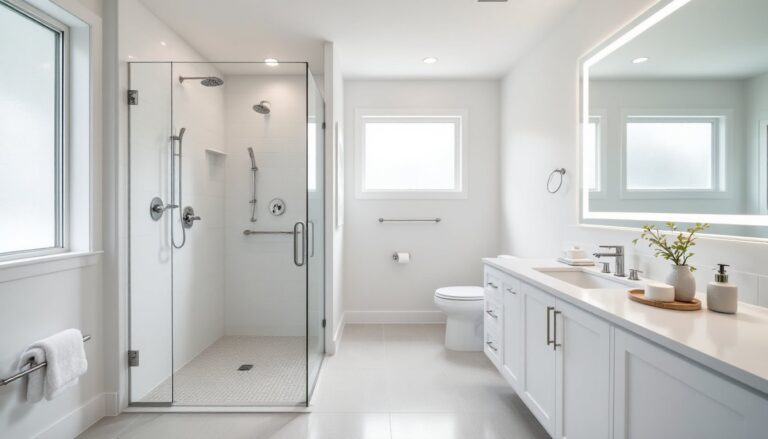
Mobility changes as people age. A home for retirement should have single-floor living or elevator access. Wide doorways, grab bars in bathrooms, and step-free entries make daily life easier. These features also reduce fall risks, which become more serious after 65.
Healthcare Proximity
Access to quality healthcare matters more in retirement than at any other life stage. The ideal home for retirement sits within 30 minutes of hospitals, specialists, and pharmacies. Some retirees overlook this factor when chasing scenic locations, only to regret it later.
Climate Preferences
Weather affects health, mood, and activity levels. Warm climates appeal to many retirees because they allow year-round outdoor activities. But, extreme heat brings its own challenges. Others prefer four seasons or mild temperatures. The best home for retirement matches personal climate preferences.
Social Connections
Isolation poses real health risks for older adults. A good retirement home keeps people connected to friends, family, or active communities. Proximity to loved ones often trumps other considerations. Some retirees prioritize communities with built-in social activities instead.
Maintenance Requirements
A large house with extensive landscaping becomes a burden over time. Many retirees downsize specifically to reduce upkeep. Condos, townhomes, and retirement communities often include maintenance services. This frees up time for hobbies, travel, and relaxation.
Popular Types of Retirement Living Options
The market offers several distinct housing options for retirees. Each type serves different needs, preferences, and health situations.
Independent Living Communities
These communities cater to active adults who want minimal responsibilities. Residents own or rent private units within a larger community. Amenities typically include fitness centers, pools, clubhouses, and organized activities. A home for retirement in an independent living community suits those who value social engagement and convenience.
55+ Active Adult Communities
Age-restricted communities create environments specifically for older adults. They feature golf courses, walking trails, and recreational facilities. Homeowners associations handle exterior maintenance and landscaping. This option works well for retirees seeking an active lifestyle among peers.
Continuing Care Retirement Communities (CCRCs)
CCRCs provide a spectrum of care levels in one location. Residents start in independent living and transition to assisted living or nursing care as needed. This model offers security for those concerned about future health changes. The home for retirement becomes permanent, regardless of care needs.
Single-Family Homes
Many retirees prefer traditional homes in regular neighborhoods. This option provides maximum privacy and freedom. Aging-in-place modifications can adapt existing homes for changing needs. But, maintenance responsibilities fall entirely on the homeowner.
Condominiums and Townhomes
Condos offer a middle ground between community living and independence. Owners handle interior maintenance while associations manage exteriors and common areas. Urban condos put retirees close to restaurants, cultural venues, and public transportation. This home for retirement option appeals to those who want walkable neighborhoods.
Best Locations for Retirement Living
Location dramatically influences retirement satisfaction. The best spots balance cost, climate, healthcare, and lifestyle opportunities.
Florida
Florida remains America’s most popular retirement destination. No state income tax, warm weather, and abundant senior communities attract thousands yearly. Cities like Sarasota, Naples, and The Villages specialize in retirement living. A home for retirement in Florida costs less than comparable properties in the Northeast.
Arizona
Arizona offers dry heat, stunning landscapes, and lower living costs. Phoenix, Scottsdale, and Tucson host large retiree populations. The state’s sunshine averages over 300 days annually. Healthcare infrastructure has expanded to serve the growing senior community.
North Carolina
North Carolina combines four mild seasons with mountain and coastal options. The Research Triangle area provides excellent healthcare access. Housing costs run below national averages in most areas. Retirees enjoy no tax on Social Security benefits.
Texas
Texas attracts retirees with no state income tax and affordable housing. Austin, San Antonio, and the Hill Country offer distinct lifestyles. The state’s size means dramatic climate variation from region to region. A home for retirement in Texas stretches budgets further than coastal states.
Overseas Options
Some Americans retire abroad to maximize their savings. Mexico, Portugal, Costa Rica, and Panama welcome U.S. retirees. Lower costs offset the distance from family. Healthcare quality varies significantly by location, so research proves essential.
Financial Planning for Your Retirement Home
Money matters shape every home for retirement decision. Smart planning prevents financial stress during what should be relaxing years.
Determining Budget
Financial experts suggest spending no more than 30% of retirement income on housing. This includes mortgage or rent, insurance, taxes, and utilities. Many retirees underestimate ongoing costs like HOA fees, repairs, and property taxes. A realistic budget accounts for inflation and potential healthcare expenses.
Buying vs. Renting
Ownership builds equity but ties up capital. Renting preserves flexibility and eliminates maintenance headaches. The right choice depends on local markets, length of stay, and personal preferences. Some retirees sell family homes and rent to free up cash for other priorities.
Using Home Equity
Existing homeowners often use equity to fund their home for retirement. Selling a large family house generates significant capital. Reverse mortgages provide another option for those over 62. Downsizing typically reduces both purchase price and ongoing expenses.
Tax Considerations
State tax policies vary widely and affect retirement budgets. Some states exempt retirement income entirely. Property tax rates differ dramatically between locations. A home for retirement in a tax-friendly state stretches income further.
Hidden Costs to Plan For
Moving expenses add up quickly, especially for long-distance relocations. New furniture and modifications for aging-in-place require budget space. Insurance costs vary by location and property type. Smart planners set aside 10-15% of their housing budget for unexpected expenses.