
Table of Contents
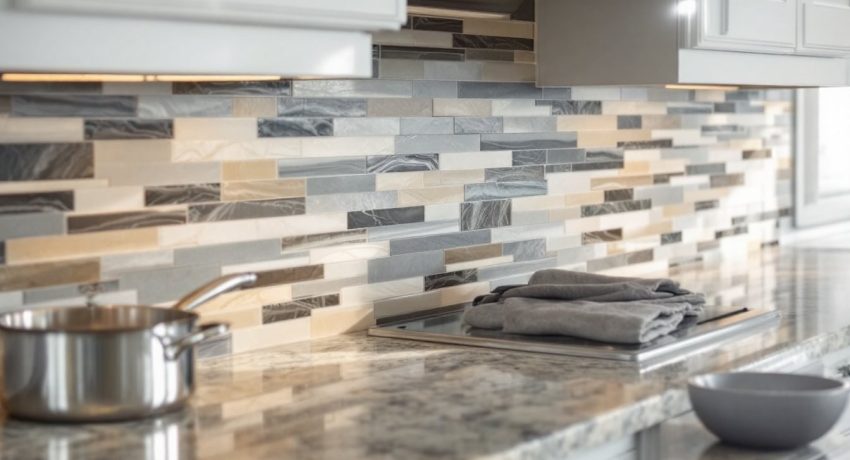
ToggleA stone kitchen backsplash isn’t just a practical shield for your walls, it’s a statement piece that anchors your entire kitchen design. Whether you’re drawn to the earthy character of slate, the polished elegance of marble, or the budget-friendly appeal of engineered stone, a stone kitchen backsplash brings durability and visual warmth that tile alone can’t match. The good news is that installing one yourself is achievable if you’re comfortable with adhesives, grout, and basic measuring. This guide walks you through material choices, installation techniques, and maintenance so you can tackle this project with confidence.
Key Takeaways
- A stone kitchen backsplash offers superior durability, heat resistance, and authentic character compared to ceramic tile, with a lifespan of 20+ years when properly sealed and maintained.
- Natural stone options like granite, marble, and slate vary in porosity and maintenance needs—granite is the most forgiving, marble requires resealing every 6–12 months, and slate works best with a P100 respirator during cutting.
- Engineered stone like quartz requires zero sealing and offers superior stain resistance, making it ideal for low-maintenance kitchens, while large-format porcelain provides fewer seams and modern aesthetics.
- Proper stone kitchen backsplash installation requires a 48-hour acclimation period, a quality wet saw for precision cuts, patience during the 24–48 hour thinset cure, and careful grout application using a 45° angle technique.
- Stone sealer maintenance is essential for natural stone—test water beading on your surface, reseal every 1–3 years, and use pH-neutral cleaners to prevent etching from acidic substances.
- Avoid abrasive scrubbing and apply 100% silicone caulk at edges instead of grout to prevent cracking and maintain flexibility as your home settles over time.
Why Choose Stone for Your Kitchen Backsplash
Stone delivers what generic subway tile can’t: authentic character and proven durability. Unlike ceramic or glass, stone develops a patina over time, small dings and surface changes tell the story of your kitchen’s use rather than screaming “mistake.” Natural stone also resists heat better than many alternatives, making it ideal above a stove.
From a practical standpoint, stone is harder and more durable than most ceramics. Granite and slate both rate high on the Mohs hardness scale, which means they won’t chip easily if a stray pot handle bumps them. Marble, while more porous and softer than granite, still outperforms basic tile in terms of longevity when sealed properly.
Cost varies widely depending on material type and finish. Expect to invest more upfront than basic tile, but stone’s durability often makes it a smarter long-term choice. A well-sealed stone backsplash can last 20+ years with minimal intervention.
Popular Stone Backsplash Materials Explained
Natural Stone Options
Granite remains the most popular choice for good reason. It’s non-porous when sealed, available in dozens of colors and patterns, and highly resistant to heat and scratches. Granite slabs typically run 3/4 inch to 1 1/4 inches thick: thinner granite veneer (1/4 inch) also exists but requires careful handling. Expect 10–15% waste due to cutting and breakage, so buy extra.
Marble offers undeniable sophistication with veining that draws the eye. Fair warning: marble is softer than granite and more porous, meaning it etches when acidic food or cleaning products sit on it. You’ll need to reseal marble every 6–12 months. Marble works beautifully as a backsplash precisely because it’s not a high-traffic surface like a countertop, where etching becomes a dealbreaker.
Slate brings rustic appeal with natural cleft (rough) or honed finishes. Its layered structure makes it naturally slip-resistant and slightly more forgiving than marble. Slate does require sealing and can be dusty during cutting, so wear a respirator rated for silica dust (P100 or better). Seal slate before grouting to prevent grout from staining the surface.
Travertine is a softer, more porous stone with warm, earthy tones. It’s lighter on the wallet than granite or marble but demands more vigilant sealing, typically every 1–2 years. Travertine’s porous nature means spills need quick cleanup.
Engineered Stone Alternatives
Quartz (engineered stone made from crushed quartz, resin, and pigment) mimics natural stone without the porosity. Since it’s non-porous, quartz never needs sealing, making maintenance trivial. It resists stains, heat, and scratches far better than marble but won’t develop the natural patina of true stone. Quartz comes in consistent patterns, which some DIYers prefer for uniformity.
Porcelain slabs sized to mimic stone have exploded in popularity. Large-format porcelain (24″ × 48″ or bigger) can cover your backsplash with fewer seams. They’re extremely durable, stain-resistant, and available in convincing stone looks. The tradeoff: cutting and installing large slabs requires precision and sometimes professional-grade tools like a wet saw with a diamond blade.
Design inspiration on Remodelista and kitchen-focused sites shows that engineered stone often pairs well with modern or minimalist kitchens, while natural stone suits traditional, rustic, or transitional aesthetics.
Installation Steps for Your Stone Backsplash
Before You Start:
Measure twice. Backsplash height is typically 18 inches from countertop to cabinet bottom, but verify your space. Identify where seams will fall, plan to avoid narrow slivers at corners or around outlets. Let stone acclimate indoors for 48 hours before installation so moisture levels stabilize.
Materials You’ll Need:
- Thinset mortar (specify for stone, not tile)
- Grout (unsanded or sanded, depending on joint width)
- Stone sealer (appropriate for your material type)
- Shims and spacers
- Safety gear: dust mask (P100), eye protection, work gloves, hearing protection if cutting
Tools Required:
- Notched trowel (size depends on stone thickness: typically 1/4″ × 3/8″)
- Wet saw with diamond blade (rent if you don’t own one: it’s essential for clean cuts)
- Grout float
- Margin trowel
- Level
- Measuring tape and pencil
- Caulk gun
- Sponges and buckets
Installation Process:
-
Prep the wall. Remove outlet covers and ensure the wall is clean, dry, and flat. Use a straightedge to check for dips or high spots: fill dips with lightweight spackling and sand high spots.
-
Cut pieces to fit. Lay out your stones dry first to plan cuts. Use the wet saw for straight cuts: make multiple shallow passes rather than one aggressive cut to avoid chipping. Cut around outlets with a wet saw or small grinder, never force a stone through.
-
Apply thinset. Spread thinset onto the wall with a notched trowel at a 45° angle. Press gently to ensure full coverage (you want 80% of the stone back touching mortar). Use spacers or shims to maintain consistent grout joint width.
-
Install stone. Press each piece firmly into the thinset with a slight twisting motion. Use a level every 2–3 pieces. Check that edges align flush with one another, especially around visible spots.
-
Let it cure. Wait 24–48 hours before grouting, thinset needs to harden. Don’t rush this step.
-
Grout the joints. Mix grout to peanut butter consistency. Use a grout float at a 45° angle to force grout into joints. Wipe excess grout diagonally across the stone surface with a damp sponge after 15–20 minutes.
-
Cure and seal. Let grout cure fully (typically 3–7 days per product instructions). Once cured, apply stone sealer according to manufacturer guidance, usually a wipe-on application with 24–48 hours between coats.
Pros share design and maintenance tips for rough-faced stone that adds an earthy vibe without the fussiness of polished finishes.
Maintenance and Care Tips for Long-Lasting Beauty
Stone’s reputation for low maintenance applies mainly to engineered options like quartz. Natural stone requires more attention, but it’s straightforward if you stay consistent.
Sealing is non-negotiable for natural stone. Granite, marble, slate, and travertine are porous and absorb liquids, which can lead to staining and bacterial growth. Apply sealer per product instructions, typically every 1–3 years depending on stone type and sealer quality. A simple test: drop water on the surface: if it beads up, you’re still protected. If it pools and absorbs, reseal soon.
Daily cleaning. Wipe spills immediately, especially acidic substances like lemon juice or vinegar on marble. Use warm water and mild dish soap with a soft cloth. Avoid vinegar-based cleaners on marble, slate, or travertine, acid etches the surface. For granite and other harder stones, pH-neutral cleaners are safe.
Avoid abrasive scrubbing. Don’t use steel wool or harsh scouring powders. These scratch the surface and can remove sealer. A soft brush or microfiber cloth handles stuck-on food just fine.
Consider caulk around the edges. Where the backsplash meets the countertop or cabinet, use 100% silicone caulk instead of grout. Grout cracks over time as the house settles: caulk flexes and maintains a better seal. Reseal or replace caulk every 2–3 years.
Kitchen design resources like The Kitchn offer practical tips on keeping stone backsplashes looking fresh while handling common kitchen mishaps.
If sealer has worn thin and water stains appear, a pro sealing service costs $150–$300 and takes a few hours. For DIYers, self-apply sealer runs $20–$50 per bottle and works well if you follow directions carefully.
Conclusion
A stone kitchen backsplash delivers beauty and durability that justifies its cost and effort. Whether you choose natural granite, marble’s elegance, or practical engineered quartz, proper installation and consistent maintenance keep it looking sharp for decades. Take time during the planning phase to understand your material, invest in the right tools (especially a quality wet saw), and don’t skip sealing. The result is a backsplash that stops guests mid-conversation and transforms how you feel about your kitchen every morning.