

Table of Contents
ToggleUnderstanding tenant rights can save renters thousands of dollars and prevent serious legal headaches. Every year, millions of tenants face issues with landlords, from withheld security deposits to illegal eviction attempts. The good news? Renters have powerful legal protections in most states.
This guide breaks down what every tenant needs to know. It covers essential rights, lease agreement basics, eviction protections, and how to handle disputes with landlords. Whether someone just signed their first lease or has been renting for years, knowing these tenant rights makes all the difference.
Key Takeaways
- Tenant rights include the right to a habitable home, privacy, protection from discrimination, and security deposit safeguards in every U.S. state.
- Landlords must provide 24 to 48 hours notice before entering a rental unit, except in genuine emergencies.
- Self-help evictions—such as changing locks or shutting off utilities—are illegal everywhere in the United States.
- Always document your rental unit’s condition with photos and videos at move-in and move-out to protect your security deposit.
- Communicate repair requests and complaints in writing to create a paper trail that strengthens your tenant rights if disputes escalate.
- If facing eviction or a landlord dispute, contact a local tenant rights organization or legal aid society for free guidance.
Essential Rights Every Tenant Has
Tenant rights exist in every U.S. state, though specific laws vary by location. Some protections apply universally. Others depend on local ordinances and state statutes.
The Right to a Habitable Home
Landlords must provide rental units that meet basic health and safety standards. This means working plumbing, adequate heating, functioning electrical systems, and structural integrity. If a landlord fails to maintain these conditions, tenants can often withhold rent or pay for repairs and deduct the cost.
The implied warranty of habitability exists in nearly every state. It cannot be waived in a lease agreement. A landlord who tries to include such a waiver is violating tenant rights.
Privacy Rights
Tenants have the right to quiet enjoyment of their rental property. Landlords cannot enter whenever they want. Most states require 24 to 48 hours notice before entry, except in genuine emergencies like a fire or burst pipe.
If a landlord repeatedly enters without proper notice, this constitutes harassment. Tenants can document these violations and pursue legal remedies.
Protection from Discrimination
The Fair Housing Act protects tenants from discrimination based on race, color, national origin, religion, sex, familial status, and disability. Many states add protections for sexual orientation, gender identity, and source of income.
A landlord who refuses to rent based on these protected classes violates federal law. Tenants can file complaints with the Department of Housing and Urban Development (HUD) or pursue civil action.
Security Deposit Protections
Most states limit how much landlords can charge for security deposits. They also set timelines for returning deposits after move-out, typically 14 to 30 days. Landlords must provide itemized lists of any deductions.
Tenant rights about security deposits are commonly violated. Renters should document the unit’s condition at move-in and move-out with photos and videos.
Understanding Your Lease Agreement
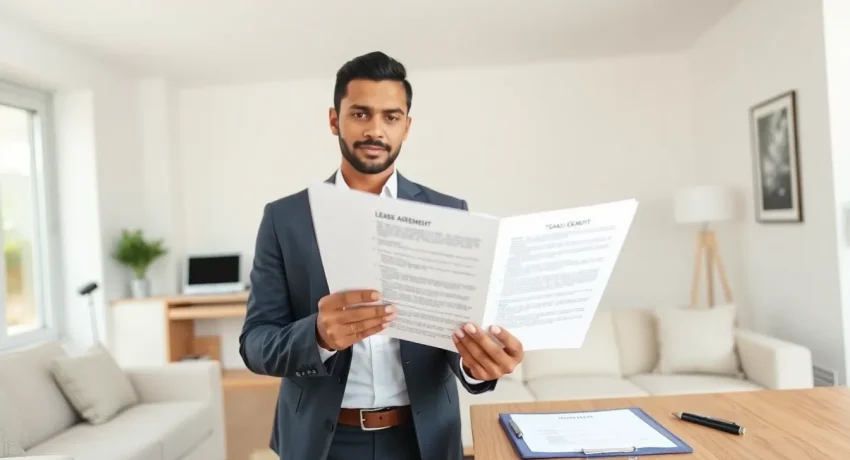
A lease agreement is a legally binding contract between tenant and landlord. It defines tenant rights and responsibilities for the rental period. Reading every clause before signing prevents costly surprises later.
Key Terms to Review
Every lease should clearly state the monthly rent amount, due date, and acceptable payment methods. It should specify the lease duration, whether month-to-month or a fixed term like 12 months.
Look for clauses about:
- Late fees and grace periods
- Pet policies and deposits
- Subletting restrictions
- Renewal terms and rent increase procedures
- Maintenance responsibilities
What Landlords Cannot Include
Certain lease provisions are unenforceable, even if a tenant signs them. Landlords cannot waive their duty to maintain a habitable property. They cannot include clauses that violate fair housing laws or state tenant protection statutes.
Some examples of illegal lease terms include:
- Automatic waiver of tenant rights to sue
- Allowing entry without notice
- Requiring tenants to pay for repairs the landlord should cover
- Excessive late fees that function as penalties rather than actual damages
If a lease contains questionable language, tenants should consult a local tenant rights organization or attorney before signing.
Verbal Agreements Still Count
Even without a written lease, tenants have rights. Month-to-month tenancies created through verbal agreements still fall under state landlord-tenant laws. But, written leases provide clearer protection for both parties.
Protections Against Unlawful Eviction
Landlords cannot simply throw tenants out. Eviction requires a legal process, and tenant rights include significant protections during this process.
Legal Eviction Requirements
To evict a tenant, landlords must:
- Provide proper written notice (varies by state and reason for eviction)
- File an eviction lawsuit if the tenant doesn’t leave
- Obtain a court judgment
- Have law enforcement execute the eviction
Self-help evictions are illegal everywhere in the United States. A landlord cannot change locks, shut off utilities, remove doors, or physically remove a tenant’s belongings. These actions violate tenant rights and can result in significant legal liability for the landlord.
Retaliatory Eviction Protections
Many states prohibit retaliatory evictions. If a tenant reports code violations to authorities, requests repairs, or joins a tenant organization, the landlord cannot evict them in response.
Typically, landlords cannot evict within 60 to 180 days after a tenant exercises their legal tenant rights. The burden often shifts to the landlord to prove legitimate, non-retaliatory reasons for eviction.
What to Do If Facing Eviction
Tenants who receive eviction notices should:
- Read the notice carefully and note all deadlines
- Respond within the required timeframe
- Appear at all court hearings
- Gather evidence of rent payments, communications, and unit conditions
- Contact a tenant rights attorney or legal aid organization
Ignoring eviction notices or court dates almost always results in a default judgment against the tenant.
How to Handle Landlord Disputes
Disputes between landlords and tenants happen frequently. Knowing how to handle them protects tenant rights and often leads to better outcomes than confrontation.
Document Everything
The first rule of any landlord dispute: create a paper trail. Send repair requests in writing via email or certified mail. Keep copies of all correspondence. Take dated photos and videos of any issues.
This documentation becomes critical evidence if the dispute escalates to court or a government agency.
Communicate in Writing
Verbal conversations are hard to prove later. When discussing significant issues, repairs, lease violations, or complaints, follow up in writing. A simple email summarizing the conversation creates a record.
“As we discussed today, the heating system is not working properly. Please send a repair technician by Friday as required under [state] tenant rights law.”
Know Your Escalation Options
If direct communication fails, tenants have several options:
- Local housing code enforcement: Report health and safety violations
- Tenant rights organizations: Many offer free advice and mediation
- Small claims court: For security deposit disputes and small monetary claims
- Legal aid societies: Provide free or low-cost legal representation
- State attorney general’s office: Handles systematic landlord violations
Mediation Before Litigation
Many communities offer free or low-cost mediation services for landlord-tenant disputes. Mediation often resolves issues faster and cheaper than court. Both parties agree to solutions rather than having a judge impose one.
Tenants should consider mediation for disputes that don’t involve immediate safety concerns or clear legal violations.